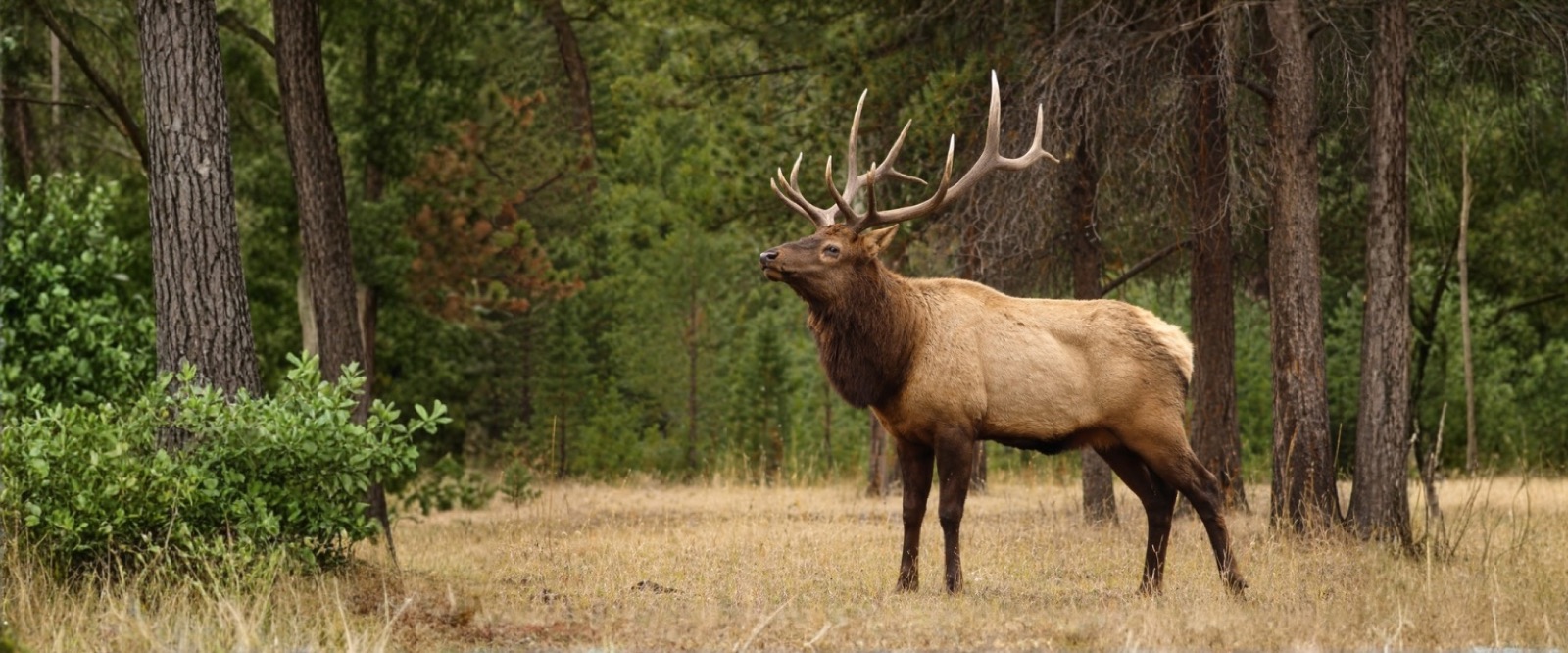
Bull elk in British Columbia elk hunting country

Elk Hunts

BC Elk Hunts: Rocky Mountain and Roosevelt Elk

BC elk hunting splits into two very different planning paths: Rocky Mountain elk in interior mountain country and Roosevelt elk in coastal and island habitats. Start with the elk type, then narrow region, access, rut timing, and realistic availability.

Rocky Mountain elk: interior mountainsRoosevelt elk: coastal and island contextKey variables: rut, access, LEH, terrain

SPECIES OVERVIEW

Rocky Mountain Elk and Roosevelt Elk Are Different Trips

Rocky Mountain elk hunts are most commonly associated with BC's interior mountain regions, especially the Kootenay and parts of northern and eastern BC. These hunts often involve steep terrain, elevation changes, glassing, calling, timber edges, and physically demanding mountain conditions. Roosevelt elk hunting is a very different experience, centered around Vancouver Island and the South Coast, where dense coastal forests, private land, access limitations, Limited Entry Hunting opportunities, and local herd patterns all shape the hunt.

Elk hunting is one of BC's most sought-after opportunities, but availability can be limited depending on region and season. The best starting point is deciding whether you are interested in a classic interior Rocky Mountain elk hunt, a coastal Roosevelt elk experience, or a broader trip that combines elk planning with deer, black bear, or other BC hunting opportunities.

Planning Details

What Changes a BC Elk Hunt Most

Elk Type

Rocky Mountain and Roosevelt elk hunts differ dramatically in terrain, access, visibility, hunting style, and overall experience.

Rut Timing

Calling is often most effective during the rut, but elk seasons and legal hunting opportunities can vary significantly between regions.

Access

Some elk regions are easier to access than others, depending on private land, road access, Limited Entry Hunting rules, and local hunting regulations.

Terrain

Interior elk can demand climbing and repeated glassing. Coastal elk can mean dense cover, wet weather, and limited visibility.

Hunting Pressure

Heavy hunting activity can quickly change elk movement and behavior, especially during the rut. Access, timing, and well-managed hunting areas often make a major difference.

Alternatives

If elk availability is limited, deer, bear, wolf, or combo trips may deliver a stronger BC trip for the same travel window.

Decision Context

Where to Start Comparing Elk Hunts

Kootenay

A major Rocky Mountain elk region shaped by mountain valleys, rugged terrain, and classic interior hunting conditions.

HUNT LIKE AN INSIDER

Vancouver Island

Known for Roosevelt elk, coastal blacktail hunting, black bear opportunities, fishing, and rugged coastal terrain.

HUNT LIKE AN INSIDER

South Coast

Limited Roosevelt elk opportunities shaped by coastal terrain, access considerations, and localized herd distribution.

HUNT LIKE AN INSIDER

Peace and Northern BC

Elk are available in select areas, but are often considered as part of a larger northern hunting strategy that includes moose and other big-game species.

HUNT LIKE AN INSIDER

Planning Windows

Early Fall

Often best for scouting, learning the area, and hunting elk before peak rut activity.

Rut

The most sought-after elk season, known for bugling bulls, active movement, and calling opportunities.

Late Fall

Colder weather and seasonal changes can concentrate elk in different areas and create new hunting opportunities

Exact elk dates, animal classes, Limited Entry Hunting, and reporting requirements must be confirmed against current provincial rules.

Before You Book

  • Rocky Mountain elk and Roosevelt elk are hunted very differently, so confirm the species before planning a trip.
  • Ask whether access is public, private, LEH, quota, or guide-territory dependent.
  • Clarify terrain, daily hiking, calling strategy, and weather risks.
  • Check current BC regulations