British Columbia hunting and fishing wilderness trip

BC Guided Hunts

Plan Your BC Hunt With Insider-Level Knowledge

BC hunts can look similar online but feel completely different in the field. Compare species, terrain, timing, access, expectations, and fit before you send a deposit.

Species-first planning

Region and terrain fit

Questions before deposits

Start with species Then compare region and timing Finish with budget, terrain, and outfitter fit

BC Hunt Selector

Start With the Hunt That Actually Fits You

A moose hunt, bear hunt, deer hunt, elk hunt, or combo trip can all sound good on paper. The right choice depends on timing, terrain, budget, physical demand, access, and realistic expectations.

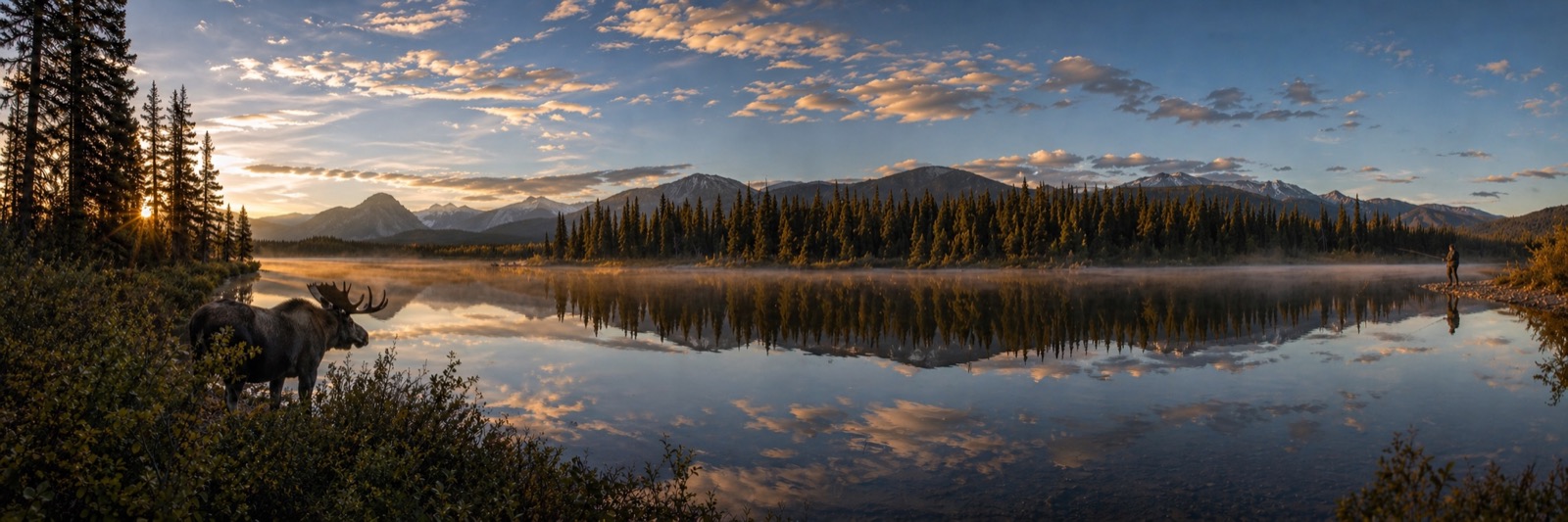
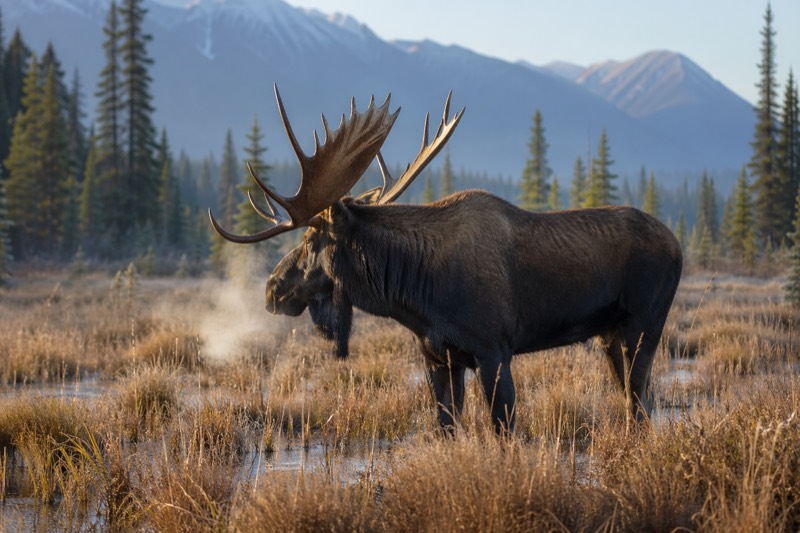
Bull moose in northern British Columbia wilderness

Moose Hunts

Typical style: big-country fall hunting with calling, glassing, road, boat, horse, or remote-camp access depending on area.

Best-fit hunter
Wants a classic northern BC big-game experience and can handle weather, logistics, and long days.
Key regions
Northern BC, Omineca, Peace, Skeena, Cariboo
Cost expectation
Often premium; remoteness and guide structure drive the range.
Watch for
Access style, hunt duration, bull expectations, calling timing, and realistic success rates.
Remote Country · Fall Focus · Big Game Classic

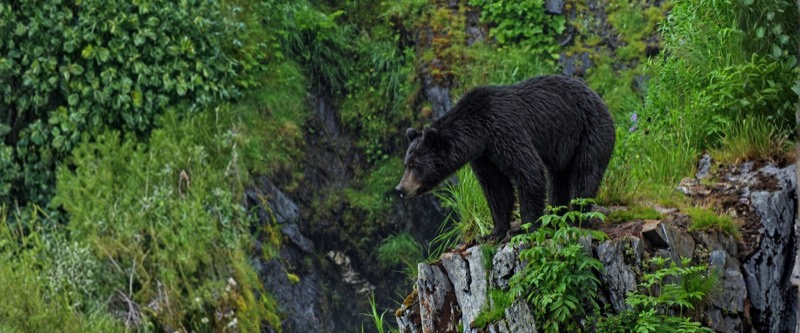
Black bear in British Columbia forest

Black Bear Hunts

Typical style: spring or fall bear hunting with spot-and-stalk, baited, road-access, coastal, or hunt-and-fish combinations.

Best-fit hunter
Wants a flexible BC entry point, strong scenery, and options to pair fishing or other travel value.
Key regions
Coastal BC, Vancouver Island, Cariboo, Skeena, Peace
Cost expectation
Usually lower than moose, sheep, or goat, but inclusions vary widely.
Watch for
Baited vs spot-and-stalk differences, hide quality, travel logistics, and spring timing.

Spring & Fall · Flexible Styles · Strong Entry Point

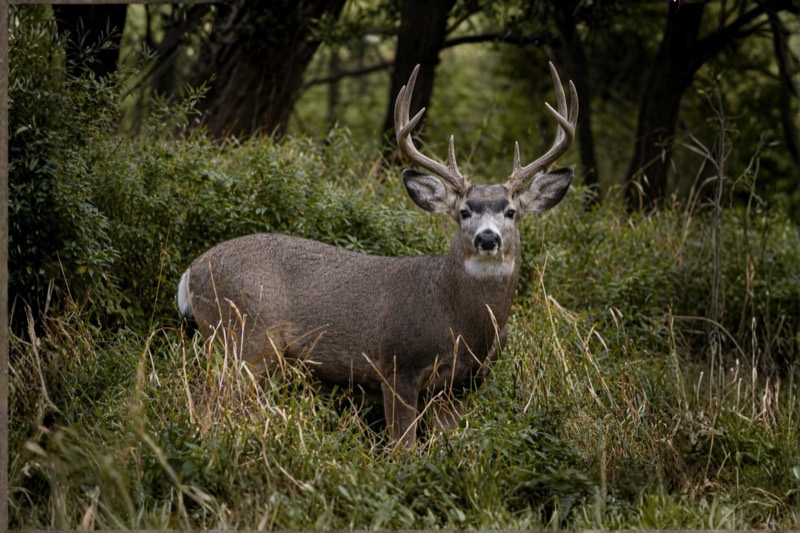
Mule deer in interior British Columbia landscape

Deer Hunts

Typical style: interior mule deer, whitetail, or coastal blacktail hunts shaped by terrain, access, migration, and weather.

Best-fit hunter
Wants variety, a strong BC trip feel, and careful species-region fit before choosing.
Key regions
Vancouver Island, Thompson, Okanagan, Kootenay, Cariboo
Cost expectation
Moderate to premium depending on species, dates, lodging, and access.
Watch for
Species differences, elevation, rut timing, access, and trophy expectation gaps.

Interior & Coast · Multiple Species · Region Driven

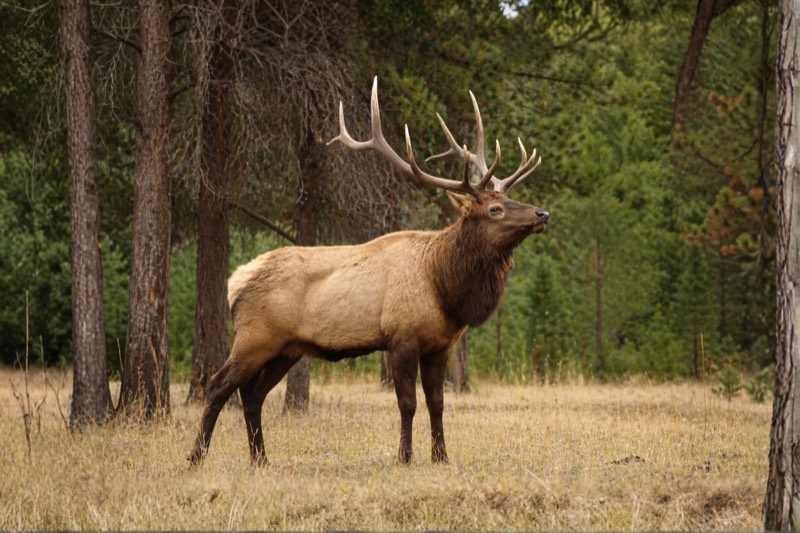
Bull elk in British Columbia mountain meadow

Elk Hunts

Typical style: Rocky Mountain elk or Roosevelt elk hunting with very different habitat, access, rut, and legal structures.

Best-fit hunter
Wants a selective, availability-sensitive hunt and understands that elk type changes the whole plan.
Key regions
Kootenay, Vancouver Island, South Coast, select northern areas
Cost expectation
Varies sharply by availability, access, elk type, and operator structure.
Watch for
Draw requirements, mountain conditions, calling pressure, and physical demand.

Rocky & Roosevelt · Rut Timing · Varied Terrain

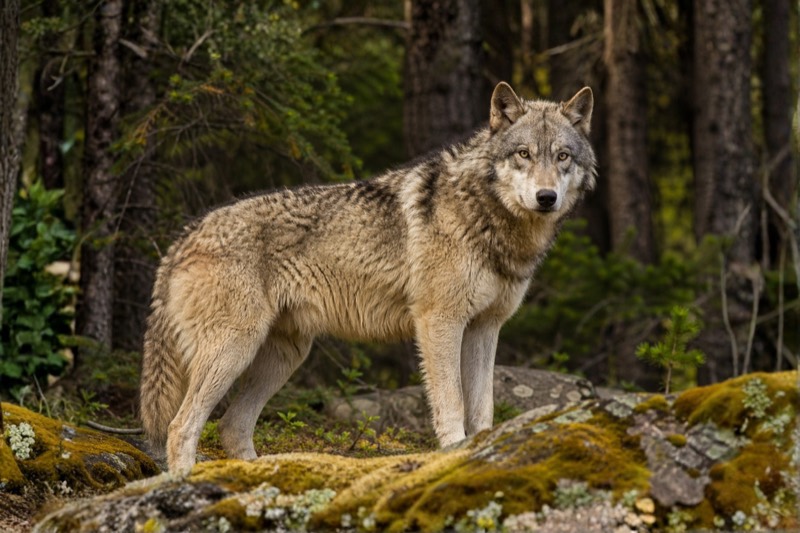
Wolf moving through snowy British Columbia forest

Wolf Hunts

Typical style: patient predator hunting, winter strategy, calling, sign work, or a serious secondary goal on broader big-game trips.

Best-fit hunter
Understands wolf is opportunity-driven and wants honest odds instead of hype.
Key regions
Northern and interior BC guide areas
Cost expectation
Often strongest as part of a broader strategy unless a dedicated predator hunt is proven.
Watch for
Low odds, weather dependence, travel effort, and realistic expectations.

Specialized Planning · Region Sensitive · Selective Fit

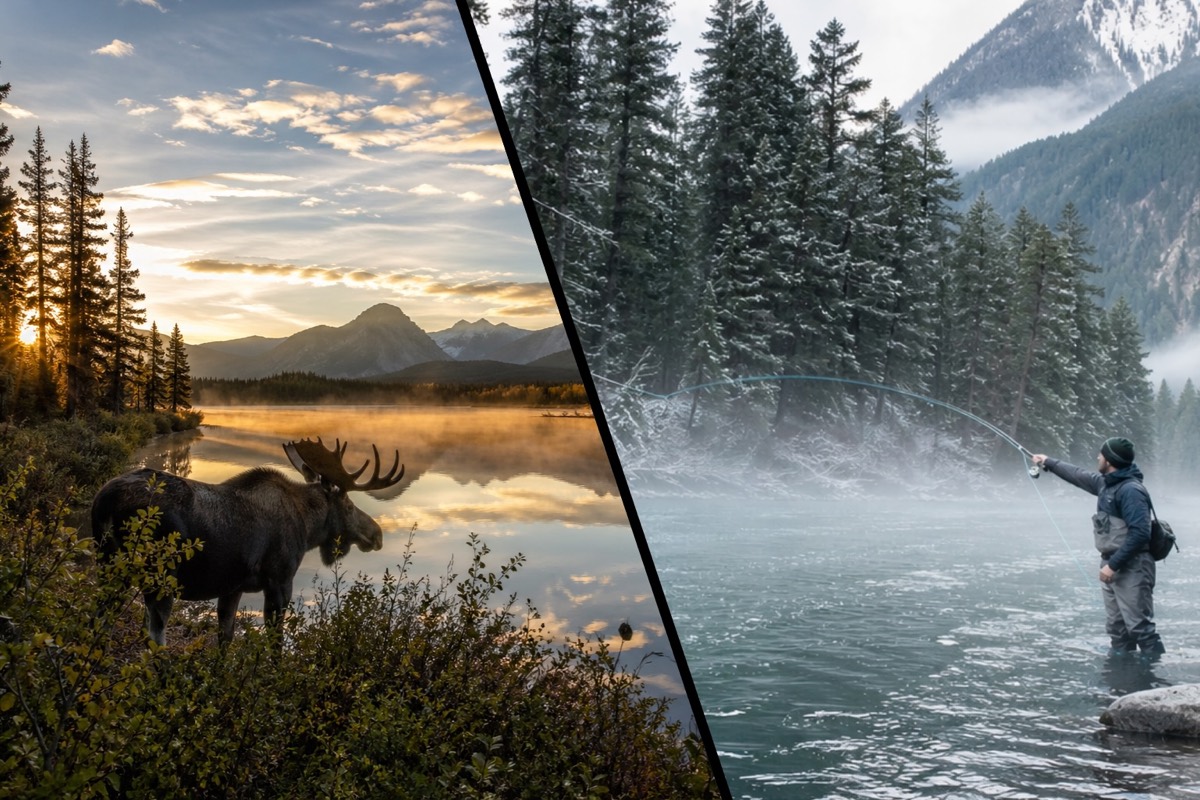
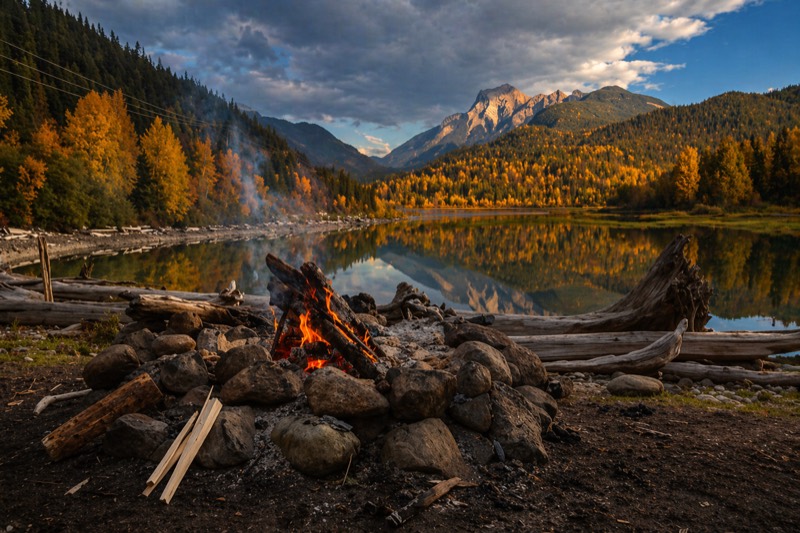
Hunting and fishing trip scene in British Columbia wilderness

Combo Trips

Typical style: hunt-plus-fish or multi-species planning where one primary goal anchors the trip and secondary goals add value.

Best-fit hunter
Wants a broader BC experience and can prioritize instead of forcing too many goals into one week.
Key regions
Coastal BC, Cariboo, Skeena, Peace, Vancouver Island
Cost expectation
Can be strong value when travel, lodging, and guide time are structured honestly.
Watch for
Whether the combo improves opportunity or simply adds complexity and cost.

Hunt + Fish Options · Broader Experience · Better Use of Travel

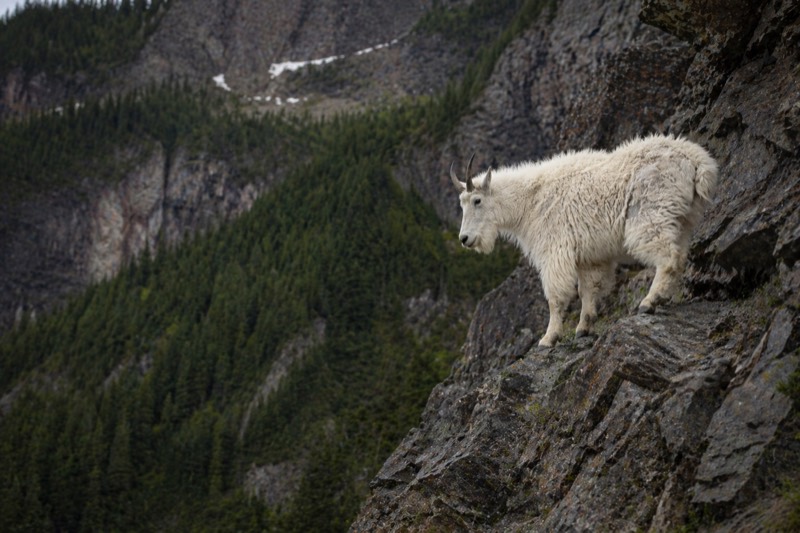
Mountain goat on steep alpine terrain in British Columbia

Mountain Goat Hunts

Typical style: steep alpine hunting with glassing, climbing, weather exposure, and serious guide judgment.

Best-fit hunter
Is fit, steady in steep terrain, and values guide competence over the cheapest date.
Key regions
Skeena, Omineca, Peace, Kootenay, coastal mountains
Cost expectation
Premium; access, guide experience, and weather plans matter heavily.
Watch for
Underestimating exposure, weather days, and physical demand.

Steep Terrain · High Effort · Adventure Driven

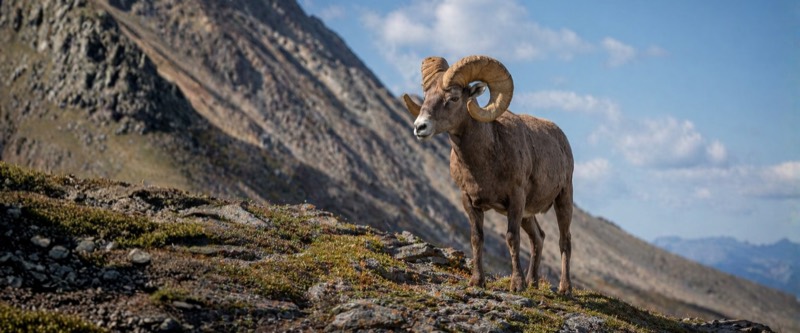
Mountain sheep on rugged alpine ridge in British Columbia

Mountain Sheep Hunts

Typical style: premium mountain hunting built around elevation, scouting, access, fitness, patience, and early planning.

Best-fit hunter
Wants a serious mountain commitment and accepts that fit, timing, and operator quality decide value.
Key regions
Northern mountains and select southern ranges
Cost expectation
High-end category; scarcity, access, and track record drive pricing.
Watch for
Booking prestige before checking real expectations and physical readiness.

Premium Hunt · High Demand · Serious Commitment

Wide British Columbia wilderness landscape

More Hunt Options

Typical style: predator, upland, secondary species, and custom opportunities that only make sense when timing and regulations fit.

Best-fit hunter
Has a specific goal or wants to add value to a broader BC hunt without distorting the main trip.
Key regions
Depends on species, season, regulation structure, and operator strength.
Cost expectation
Highly variable; compare real included days and realistic opportunity.
Watch for
Buying a niche opportunity without checking if it is actually viable in that window.

Secondary Species · Niche Trips · Custom Planning

Decision Risk

The Wrong Hunt Usually Looks Good Online

Most BC hunt mistakes do not happen because a hunter ignores obvious warning signs. They happen because every outfitter page looks convincing, every photo looks promising, and every trip sounds better before the hard questions are asked.

HUNT LIKE AN INSIDER

Questions Before Deposits

  • Is the terrain realistic for your conditioning?
  • Are trophy expectations grounded in the region?
  • Are travel days and hunt days clearly separated?
  • Are tags, transfers, tips, and licenses included?
  • Is the hunt style right for your comfort level?
  • Are success rates explained clearly or vaguely?

How to Choose

Most BC Hunts Sort Into Three Practical Starting Points

Flexible First BC Hunt

Black bear, deer, and some combo trips can be easier starting points depending on season, access, and expectations.

Classic Northern Big Game

Moose hunts have history and appeal, but access, bull quality, timing, and remoteness change everything.

Mountain Commitment

Goat and sheep hunts are demanding, expensive, weather-dependent, and rarely forgiving.

Season Fit

Start With the Planning Window, Then Confirm the Exact Dates

BC hunting dates are set by species, region, management unit, class of animal, and sometimes Limited Entry Hunting. These windows are useful for planning conversations, not a substitute for current regulations.

Spring

Black bear and bear-plus-fishing trips are often the best starting point for a flexible first BC hunt.

Late Summer

Some sheep and alpine planning starts earlier, especially where weather, elevation, and access shape the trip.

Fall

Moose, elk, deer, goat, sheep, bear, and combo trips concentrate many of BC's highest-demand hunts.

Winter and Late Season

Wolf, selected deer/elk opportunities, and specialized trips require careful region and regulation checks.

The Same Species Can Be a Completely Different Purchase

A species name alone is not enough. Terrain, access, guide structure, timing, camp quality, travel complexity, and real expectations decide whether a hunt fits.

Terrain

Steep alpine country, coastal timber, interior plateaus, and northern river systems ask different things from your body and gear.

Access

Truck, boat, horse, lodge, spike camp, and fly-in structures change the true cost and the days you are actually hunting.

Expectation

Trophy quality, animal density, weather risk, and success odds need to be calibrated before marketing photos set the bar.

Outfitter Fit

Communication, transparency, guide ratios, written inclusions, and recent track record matter more than a polished listing.

What to Confirm Before You Compare Prices

For BC hunts, the cheapest option is rarely the best filter. Confirm the species, legal structure, travel style, access, physical demand, and current season details before you compare deposits.

  • Which species and class of animal are realistic for the region?
  • Is the opportunity General Open Season, LEH, quota-based, or highly selective?
  • What is the actual hunt style: lodge, horseback, spike camp, boat, road access, or fly-in?
  • How do weather, terrain, and travel time affect the days you are really hunting?

Before You Book, Compare Hunts Inside Insider Access

Use frameworks, checklists, pricing benchmarks, region guidance, and red flags before you send a deposit.