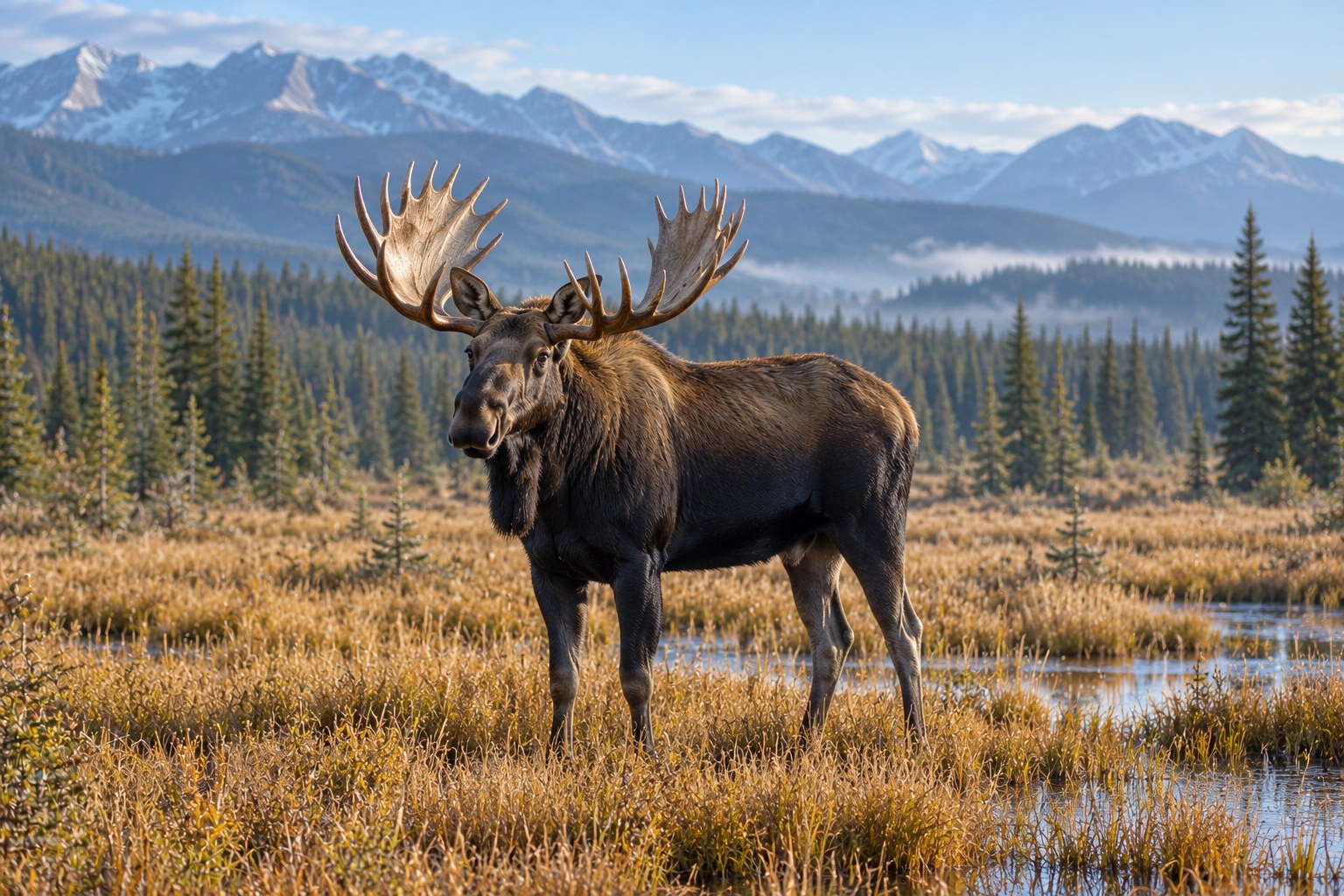
Before You Book a Peace Hunt, Understand the Tradeoffs
Peace is a big-country choice for moose and other northern hunts. Long travel distances, weather, access, and the exact rut window can matter more than a broad regional species list.
Best fit: big-country northern huntersCommon focus: moose, elk, deer, bear, wolfKey variable: timing, scale, and access distance
Region Overview
Peace Region Planning Starts With Scale
The Peace is not just another species list. It is a big-country planning decision where travel distance, weather, rut timing, access, camp structure, and the outfitter's recent area knowledge can change the entire hunt.
It belongs worth comparing for hunters who want northern BC identity, especially when moose, elk, deer, bear, wolf, or mountain-edge species are part of the same conversation.
Planning Details
What Changes a Peace Region Hunt Most
Moose Timing
Moose-first trips need careful rut timing, access, weather, and guide-area alignment.
Elk and Deer Fit
Elk, mule deer, and whitetail planning should be separated by terrain, pressure, and realistic availability.
Access Distance
Big country can mean longer travel, more weather exposure, and a higher need for backup plans.
Wolf Add-Ons
Wolf can be meaningful in northern country, but expectations should be set honestly unless dedicated predator time is built in.
Mountain Edge
Goat and sheep context may exist, but those conversations require strict regulation, terrain, and outfitter checks.
Budget and Support
Transport, guide time, camp quality, remoteness, and species focus drive the actual cost.
Best-Fit Species
Peace Region Hunts to Compare First
Moose
The central Peace Region comparison for many hunters, especially when northern scale is the goal.