Before You Book an Okanagan Hunt, Understand the Tradeoffs
Okanagan is a deer-first interior option with dry hills, timber, and practical travel routes. Mule deer, whitetail, elk, and bear require different areas and seasons; confirm that a guided opportunity exists for the species you want.
Best fit: deer-first interior huntersCommon focus: mule deer, whitetail, elk, bearKey variable: terrain, access, and fall timing
Region Overview
Okanagan Is a Practical Interior Comparison Region
The Okanagan has a different feel from coastal, northern, or deep mountain BC trips. Dry hills, timber pockets, agricultural edges, lakes, and interior access can make it a strong deer and elk comparison when the trip needs to be realistic as well as memorable.
It is especially useful for hunters comparing mule deer, whitetail, elk, black bear, and practical trip structure before deciding whether a more remote region is actually necessary.
Planning Details
What Changes an Okanagan Hunt Most
Deer Priority
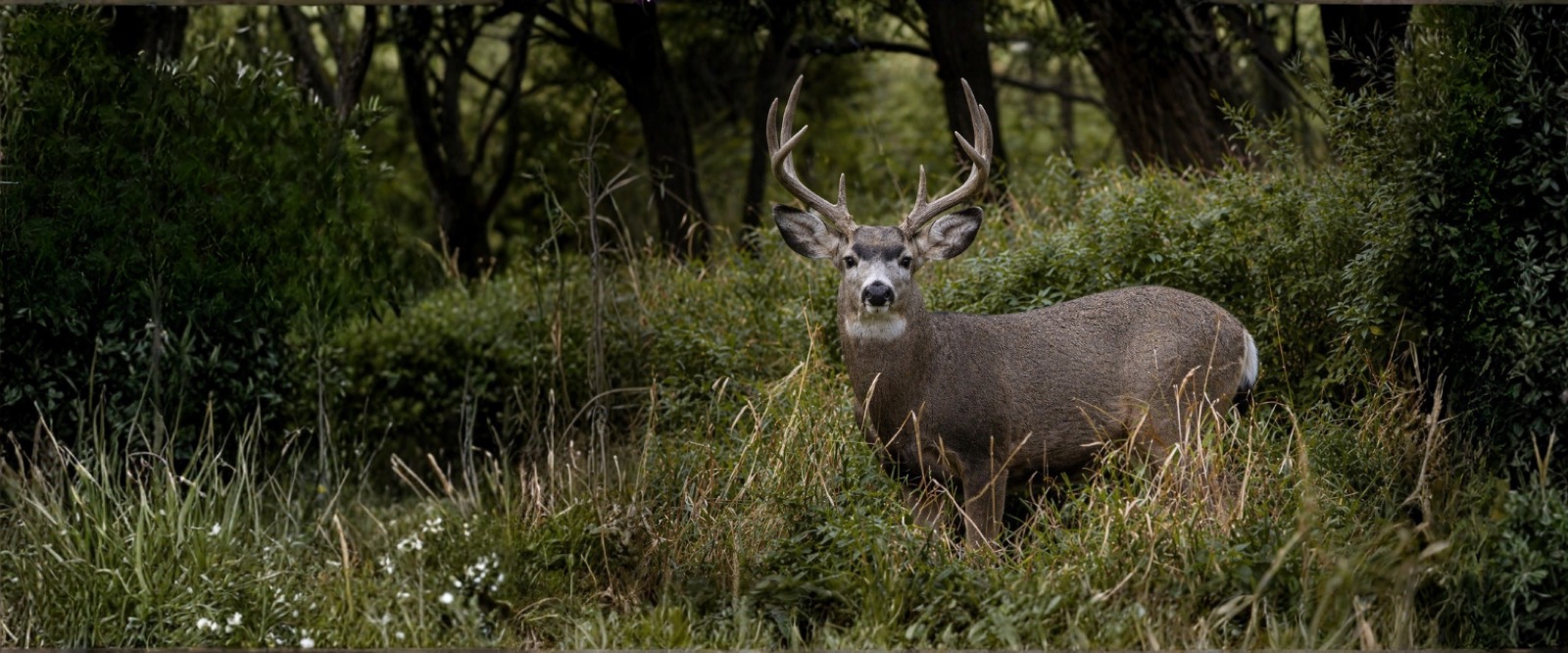
Mule deer and whitetail planning should be separated by terrain, timing, rut goals, and access style.
Elk Availability
Elk can belong in the conversation, but realistic availability and exact area fit need to be checked early.
Dry Terrain
Open hills, timber breaks, elevation, weather, and glassing country shape the pace of the hunt.
Access Style
Road-assisted, lodge-based, private-land-adjacent, and more rugged formats lead to very different experiences.
Bear and Turkey Add-Ons
Secondary species can add value only when timing, legal structure, and outfitter experience support them.
Budget Fit
Okanagan can feel practical, but cost still changes with species, guide structure, lodging, and availability.
Best-Fit Species
Okanagan Hunts to Compare First
Deer
The strongest starting point for many Okanagan conversations, especially when timing and access are clear.