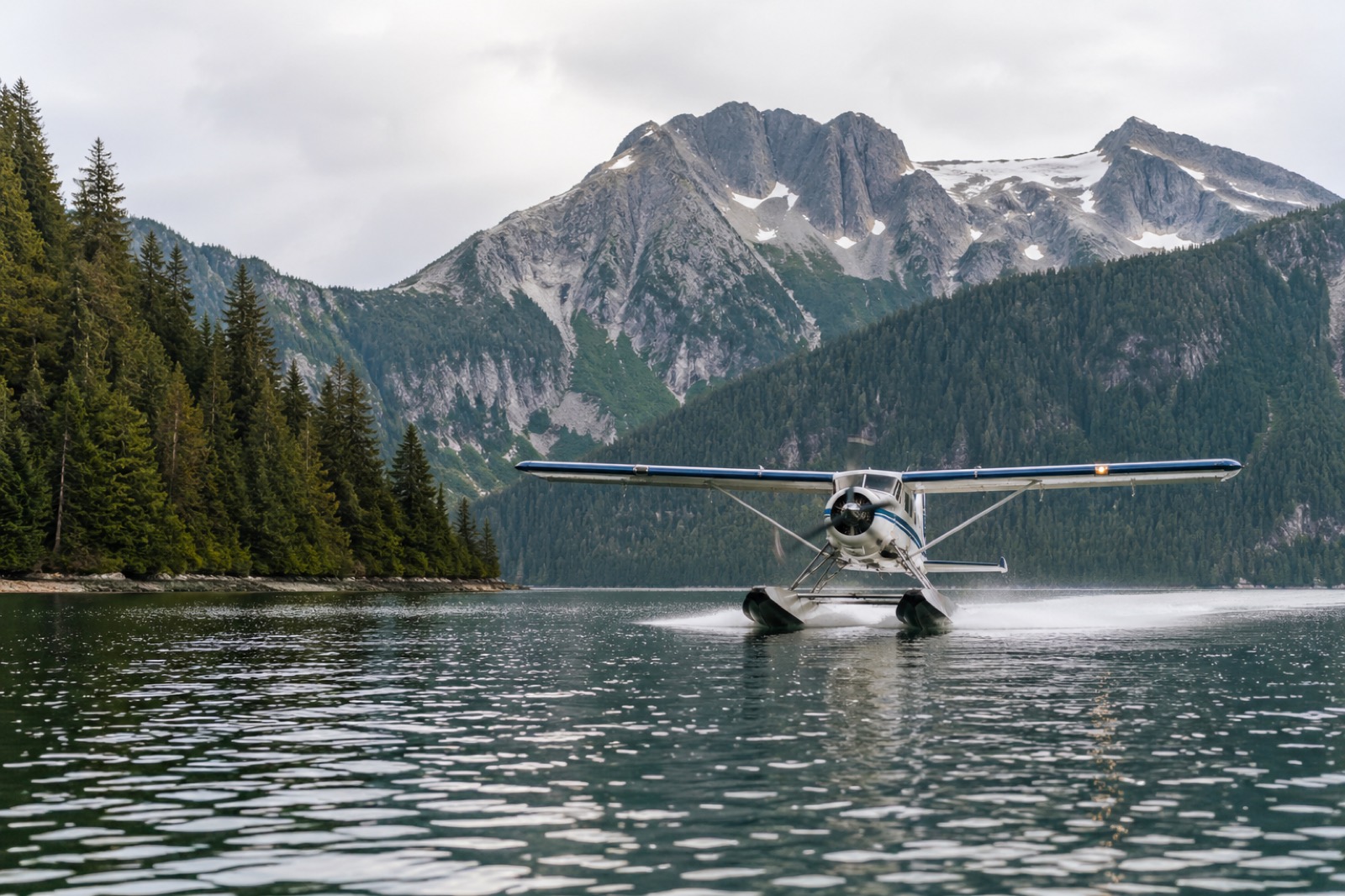
Before You Book an Omineca Hunt, Understand the Tradeoffs
Omineca offers a northern interior hunt feel, but road-assisted, horseback, boat, and fly-in trips can differ in cost and actual hunting time. Start with your primary species and the level of remoteness you can comfortably manage.
Best fit: northern interior wilderness huntersCommon focus: moose, bear, elk, deer, wolfKey variable: access logistics and camp structure
Region Overview
Omineca Rewards Clear Priorities
Omineca planning can look simple from a species list, but the trip changes quickly once access, camp style, travel time, guide area, and weather are considered. It can be a strong fit for hunters who want a northern interior feel without choosing blindly between road-assisted, fly-in, horseback, or remote camp structures.
The best conversations start with one primary goal, then add secondary species only when the area and season honestly support them.
Planning Details
What Changes an Omineca Hunt Most
Moose Priority
Moose-first planning should drive the region, dates, access style, rut expectations, and guide structure.
Access Logistics
Road, horse, boat, fly-in, and spike-camp options create very different costs, effort, and daily rhythm.
Camp Structure
Base camps, remote camps, and mobile formats change comfort, recovery, weather exposure, and hunting time.
Secondary Species
Bear, wolf, deer, elk, goat, or sheep add-ons need honest season and area alignment.
Weather and Travel
Northern interior conditions can affect roads, flights, visibility, and the number of real hunting days.
Budget Fit
Transport, guide time, remoteness, species focus, and camp support drive the actual cost more than region name alone.
Best-Fit Species
Omineca Hunts to Compare First
Moose
The natural anchor for many Omineca trips, especially when northern interior scale and access matter.